In a commentary published in Nature, the University College London’s Geraint Rees and James Wilsdon are calling for an urgent rethinking of global grant-funding systems, warning that agentic AI–like OpenAi’s ChatGPT–is overwhelming human capacity for peer review and destabilizing research evaluation. They argue that AI agents capable of autonomously drafting, reviewing, and submitting proposals are already increasing application volumes and raising baseline quality, making it harder for funders to distinguish actual merit. Evidence from major funders shows year-over-year application growth from 4% in 2023 to 57% in 2025, alongside sharply higher-quality submissions. The pair warn that simple bans will not work, calling for deliberate AI-native funding models, reduced application volumes, and greater reliance on actual track records and portfolio-based assessment.
Commentary: AI-generated proposals are on the verge of breaking global research grant application system
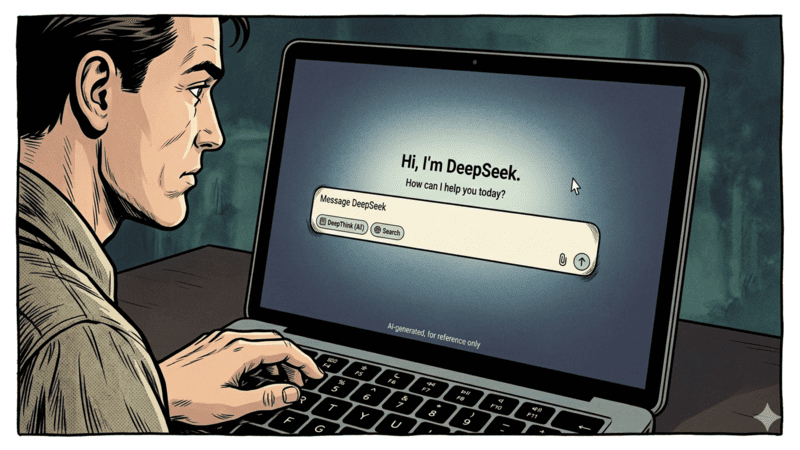
Could agentic AI topple grant-funding systems?
Geraint Rees and James Wilsdon
Nature
Graphic created from original photo. Credit: Pexels/Bertelli Fotografia
This note filed under: Commentary, Grants & Grantmaking, Nonprofits, Science & Technology, University College London, Geraint Rees, James Wilsdon